Tampilkan postingan dengan label Ferrari. Tampilkan semua postingan

Selasa, 20 Juli 2010

Ferrari 458 Challenge (2011)

Ferrari 458 Challenge (2011)

The Ferrari 458 Challenge has made its world premiere debut in Maranello during the Annual Dealer Meeting, a traditional event that brings together the representatives of Ferrari's international sales network.

The new berlinetta, which will flank the F430 Challenge in the Ferrari Challenge Trofeo Pirelli in the 2011 season, is the fifth model used by Ferrari in its one-make championship which, next year, will be extended to include a new Asia-Pacific series.

Coming just a few months after the 2010 Frankfurt Motor Show unveiling of the Ferrari 458 Italia on which it is based, the Ferrari 458 Challenge introduces a number of important modifications to adapt it for competition use.

The direct injection 4497 cc V8 remains strictly in production tune, with an output of 570 hp at 9,000 rpm. That said, modifications have been made to the gear ratios and calibration of its dual-clutch F1 gearbox to guarantee higher torque at lower revs. The Ferrari 458 Challenge is also equipped with the E-Diff electronic differential already employed on the road-going version, a first for Ferrari's track-only cars.

Ferrari F40 (1987)

Ferrari F40 (1987)
Ferrari F40 (1987)
Ferrari F40 (1987)
Ferrari F40 (1987)
Ferrari F40 (1987)

The Ferrari F40 is a mid-engine, rear-wheel drive, two-door coupé sports car produced by Ferrari from 1987 to 1992 as the successor to the Ferrari 288 GTO. From 1987 to 1989 it held the title as the world's fastest street-legal production car, and during its years of production, was Ferrari's fastest, most powerful, and most expensive car. It was intended that there were to be 400 Ferrari F40 made, all painted red, but a total 1,315 F40s were produced.

The Ferrari F40 was, in the most literal sense, designed as the successor to the company's GTO supercar, but the project's meaning ran deeper. At ninety years old, Enzo Ferrari was keenly aware that his life was coming to an end, and was somewhat disappointed that Ferrari's dominance in international motorsport had faded somewhat over the years. As a result, Enzo wanted a new pet project put into the pipelines, something that could remind the world of the company's capabilities as a manufacturer as well as provide both a competitor to the Porsche 959 and come to be his masterpiece; the company's impending 40th anniversary provided just the right occasion for the car to debut. The plan was simple: create a vehicle that combined the company's best technologies into a no-frills sports car that would come as close as possible to being a full fledged race vehicle while still retaining the necessary equipment to be a street-legal product. It was the last car to be commissioned by Enzo himself before his death.

Senin, 19 Juli 2010

Ferrari F50 (1995)

Ferrari F50 (1995)
Ferrari F50 (1995)
Ferrari F50 (1995)
Ferrari F50 (1995)

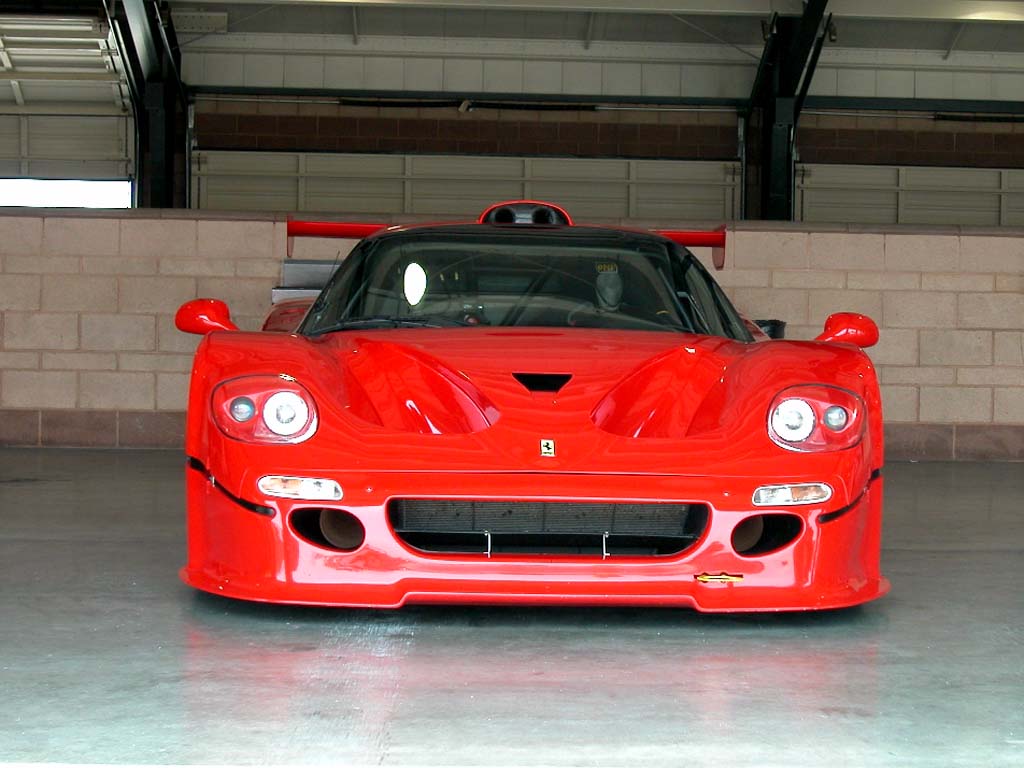
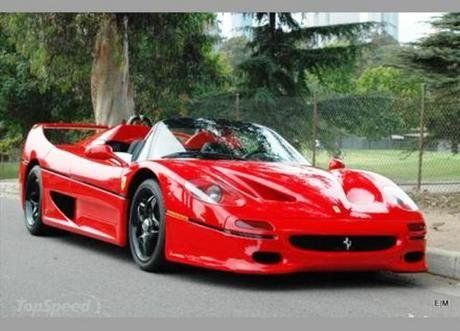
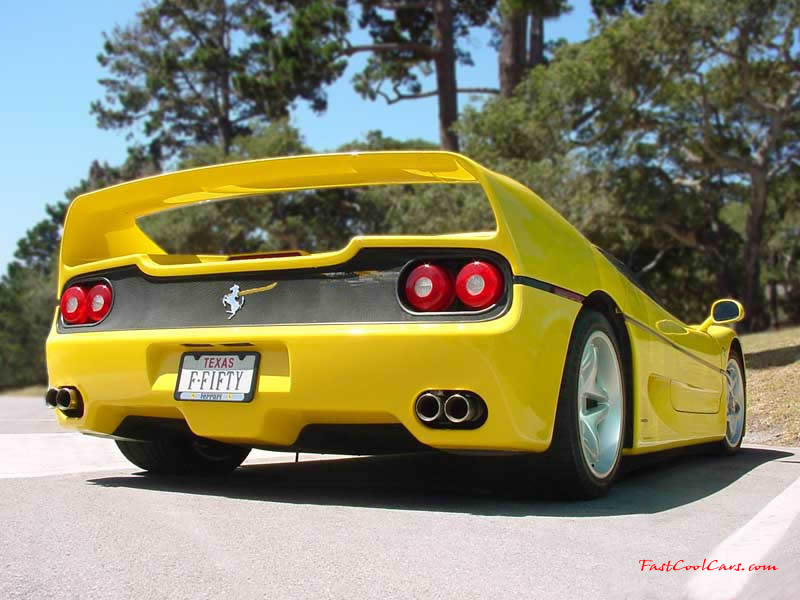
The Ferrari F50 was a mid-engined range-topping sports car made by Ferrari. The F50 was introduced in 1995, as a successor to the F40, to celebrate the company's 50th anniversary. The car is a two door, two seat convertible with a removable hardtop. It has a 4.7 L naturally-aspirated 60-valve V12 engine that was developed from the 3.5 L V12 used in the 1992 Ferrari F 92 A Formula One car.

Only 349 cars were made, one fewer than Ferrari estimated they could sell. This was, in the words of Ferrari spokesman Antonio Ghini, because "Ferraris are something cultural, a monument. They must be hard to find, so we will produce one less car than the market." The last Ferrari F50 was produced in Maranello, Italy in July 1997.

Ferrari 360 Modena (2001)

Ferrari 360 Modena (2001)

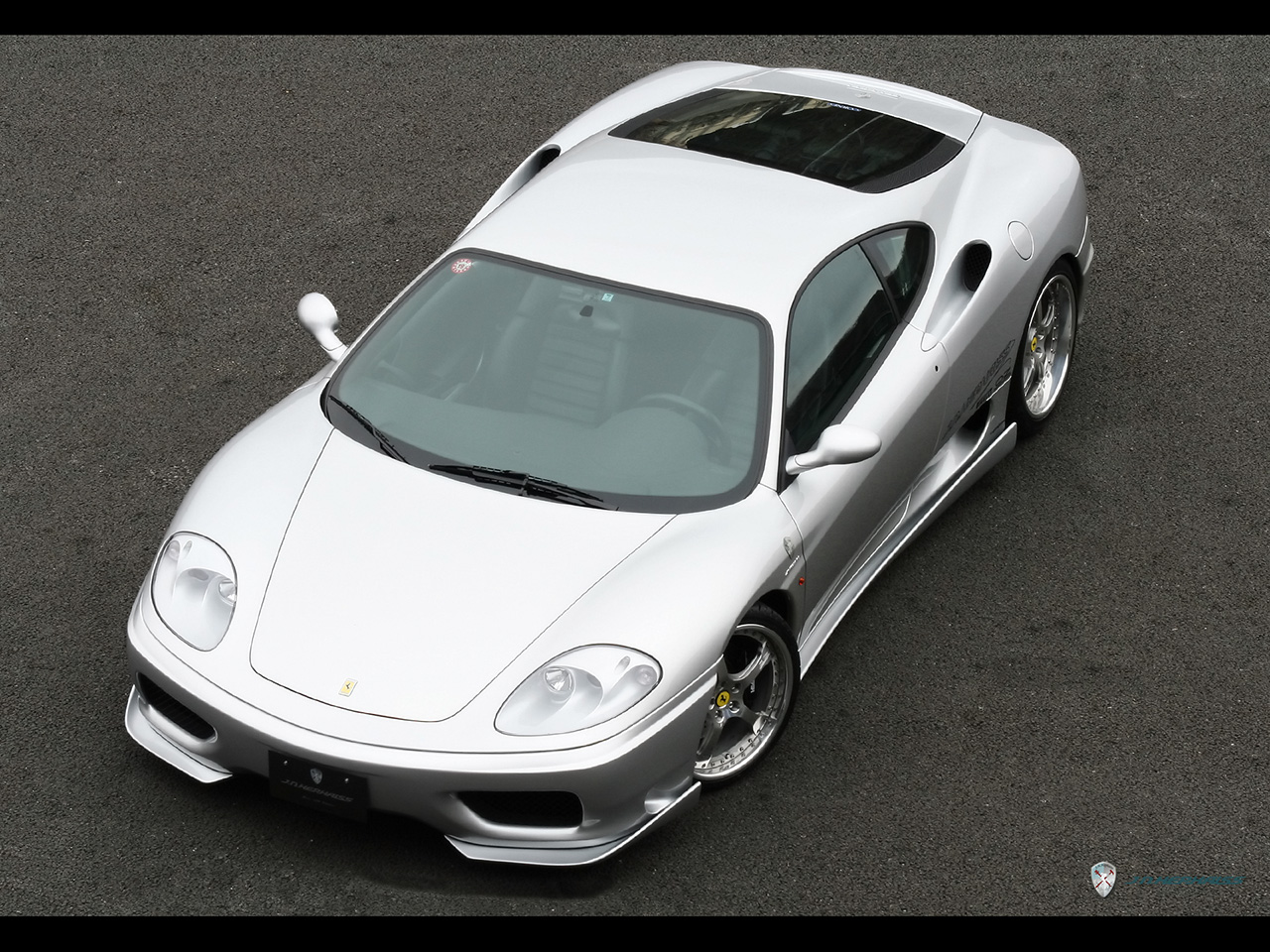
Ferrari 360 Modena was unveiled at the 1999 International Geneva Motor Show. Styled by Pininfarina, the all-aluminium 360 Modena has been designed to represent the ultimate in performance, lightness and advanced engineering and is the result of four years intensive research and design. This 'small' Ferrari incorporates superb handling due to a revised suspension system, excellent interior space with an exceptionally refined cabin layout. Powered by a normally aspirated, 400 hp, 3.6-litre, 40-valve, 8-cylinder engine the 360 Modena was available with the second generation of the highly successful F1-type gearbox as well as the conventional six-speed manual transmission.

This car had a significant part to play in the Ferrari model mix and will sit alongside the Ferrari 550 Maranello, the Ferrari 456M and the Ferrari F355 Spider. Offered as a two-seater sports car, the Ferrari 360 Modena replaced the highly successful and internationally acclaimed Ferrari F355. This addition to the Ferrari range was expected to account for 65% of Ferrari's annual production of around 3500 cars. The Ferrari 360 Modena initially went on sale in some of Ferrari's 42 key markets in Spring 1999. The car was available throughout the international Ferrari sales network by the Summer.

Ferrari 360 Modena Challenge (2001)

Ferrari 360 Modena Challenge (2001)

The Ferrari 360 Modena Challenge was unveiled on July 4th, 1999 by Michael Schumacher at the Nürburgring Circuit. The Challenge version of the Ferrari 360 Modena has been created to give those Ferrari customers who like to take to the race track a strong racing and performance package. In 2000, the Ferrari Challenge Pirelli Trophy, a championship fought out around the world and which dates back to 1993, has seen the Ferrari F355 joined by the 360, the two cars compete in different classes.

The Ferrari 360 Modena Challenge went into production at Maranello at the end of 1999 and the first production run included a limited number of cars exclusively for drivers registered for the Challenge.

Ferrari 360 Spider (2001)

Ferrari 360 Spider (2001)

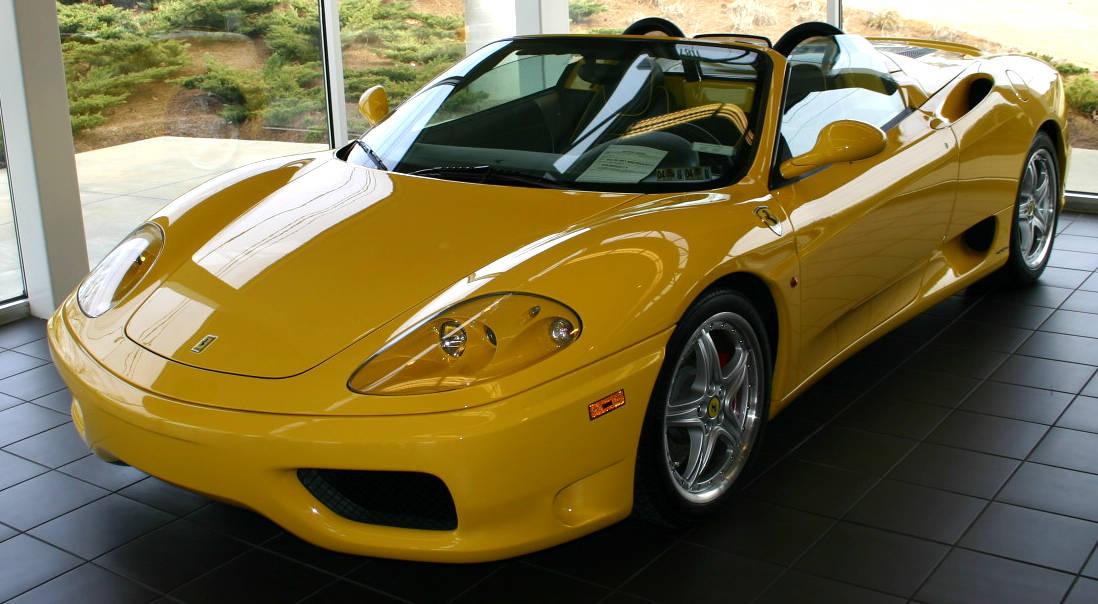
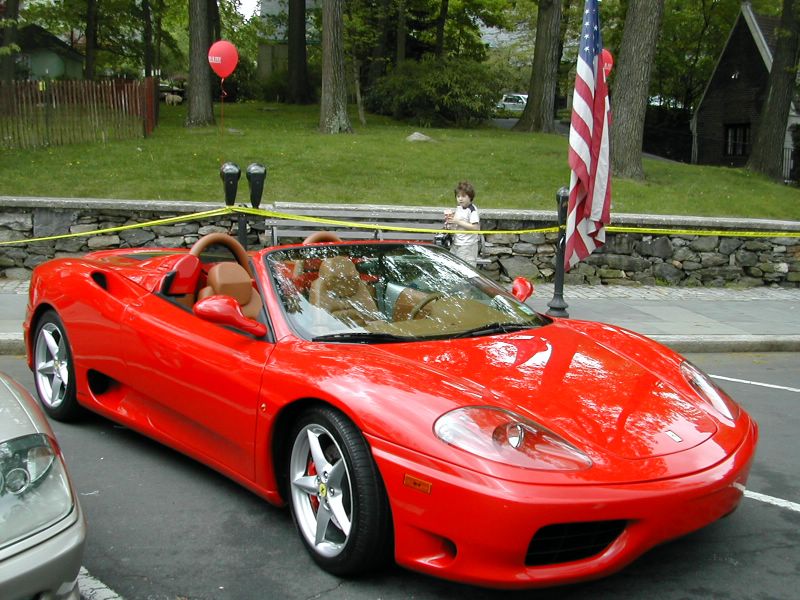
The Ferrari 360 Spider is Ferrari's 20th road going convertible. In terms of engineering, looks, and performance it is the best production spider Maranello has ever produced. Thanks to the exclusive know-how Ferrari has accumulated as a Formula 1 constructor, it is the most technologically advanced convertible available.

Despite the car's mid-mounted 400bhp V8 engine, Ferrari engineers found a way of creating a roof that automatically folds into its own well between the cabin and the engine bay, thus ensuring purity of line. The intrinsic quality of the design is underlined by the two fairings in the bodywork to the rear of the seats which evoke memories of classic Ferraris. These are matched by the two roll hoops that provide maximum safety for both of the car's occupants. With the top up the car is aggressive, emphasizing the V8 visible through engine cover. Lowering the fully automatic roof transforms the Ferrari 360 Spider, highlighting its connection to great sports racers. As strong and rigid as the Berlinetta, the Ferrari 360 Spider offers performance almost identical to the coupe version, achieving a top speed over 180mph while weighing barely 130lbs more and offering the same amount of room for the occupants and their luggage.

Ferrari 456M GT (2001)

Ferrari 456M GT (2001)

The Pininfarina designed Ferrari 456M GT, launched at the 1998 Geneva Motor Show, is an evolution of a particularly well received model to clients who in a real Ferrari appreciate roominess combined with flexibility of use: the 456 in its GT and GTA versions.

A further step in the company's tradition of 2+2 cars, the Ferrari 456M GT provides a high-performance 5,474 cu. in. V12 engine but at the same time guarantees the comfort and roominess typical of a GT car. The most rational way to roominess and maximum-performance in terms of safety and easy driving conditions is a layout with a front engine and a rear gearbox.

The aerodynamics being a top priority, the front part was designed in a clear-cut way and a spoiler was integrated in the rear bumper. The particular shape of the front spoiler and bonnet and the development of the rear extractor guarantee an improvement in the Ferrari 456M GT forecarriage lift and penetrative capacity rate.

Ferrari 550 Barchetta Pininfarina (2001)

Ferrari 550 Barchetta Pininfarina (2001)

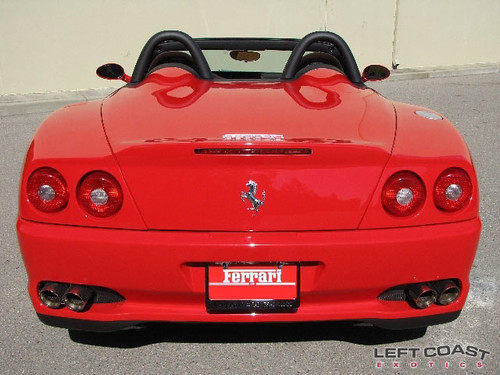
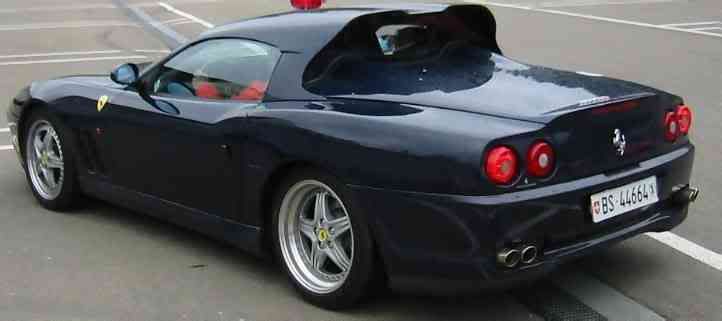
All Ferraris are limited edition pieces, some more so than others. With only 448 produced, the Ferrari 550 Barchetta Pininfarina is a very special car indeed. It is a salute to the 70th anniversary of the house that has styled more Ferraris than any other, the 50th anniversary of the two company's first joint endeavor, and a celebration of the Scuderia Ferrari's 2000 and 2001 World Championships for Formula 1 Constructors. With a shape and a name that harkens to the sports racers and legendary sports spiders of the 1960s, and all the technology of a modern Ferrari GT car, the Ferrari 550 Barchetta Pininfarina is perhaps the ultimate expression of a sun-lover's Italian automobile.

From every angle the Ferrari 550 Barchetta Pininfarina is exciting, and with the tasteful addition of Carrozzeria Scaglietti equipment as standard, it elegantly stands out from the crowd. The most striking aspect of the Barchetta is its open top. Its structure having been specially modified to maintain strength and rigidity on par with the Ferrari 550 Maranello, the Barchetta is designed for al fresco motoring; the removable roof panel is an occasional solution for leisurely driving in inclement weather. A Barchetta Pininfarina's fortunate owner will revel in the glorious sound of the 485bhp Ferrari V12, the stupendous dynamic sensations provided by driving, and the sheer joy of communing with nature from the road or track.

Ferrari 550 Maranello (2001)

Ferrari 550 Maranello (2001)

The Ferrari 550 Maranello is Ferrari's interpretation of a 21st Century 12-cylinder front-engined sports berlinetta.

Technicians were given a particularly demanding brief: design and build a car able to meet the needs of Ferrari customers seeking sensual driving and exciting performance without foregoing driveability or comfort. Ferrari customers are attracted by state-of-the-art technical solutions from a company which has always treated design as an aesthetic response to the demand for performance, and has always built its cars with sophisticated craftsmanship.

The Ferrari 550 Maranello provides superb response to every dynamic requirement, exceptional quality of life on board, and styling efficiency that combines an extremely modern concept with the best of Ferrari tradition. In short, it is the finest two-person GT car available today.

Ferrari 456M GT Scaglietti (2002)

Ferrari 456M GT Scaglietti (2002)

At the 2002 Geneva Motor Show, Ferrari introduced a special two-tone version of the Ferrari 456M GT as a further example of the personalisation opportunities offered by the Carrozzeria Scaglietti personalisation programme, presently adopted by 90% of Ferrari's clientele

In the case of the Ferrari 456M GT Scaglietti displayed on the Ferrari stand, and expressly designed for Michael Schumacher, the dominant characteristic is the two-tone paint finish. This elegant 'tone on tone' personalised colour mix was obtained through a specific study ' personally commissioned by Schumacher - on the chromatic tones of grey, then also applied to other exterior details as the wheel rims and the radiator grille.

The personalised options are also extended to the car's interior with the new graphics for the dials, whilst the cross-drilled brakes contribute to adding a more sporty note to the two-tone Ferrari 456M GT Scaglietti. The tailoring process has also been applied to many leather interior details, such as the steering wheel, the door trims and the rear parcel shelf. The seats are characterised by micro-perforated leather to the central part, whilst the crimson stitching contributes to the even more personalised style of the interior. The final personalisation 'touches' are a special version of the hi-fi stereo system and the radio-satellite navigation system.

Ferrari 575M Maranello (2002)

Ferrari 575M Maranello (2002)

The key elements of the Ferrari 575M Maranello can be neatly summed up in the model name. In fact, the engine is described by the new numerical code, 575, as this is an abbreviated indication of its capacity, increased from 5500 to 5750 cc, resulting in an increase in both power and torque. The letter M, an abbreviation of "modified," underlines the fact that changes have been wrought to all areas of the model's performance. Key amongst these, apart from the engine is the introduction of an F1 type gearbox, first time on a 12 cylinder Ferrari road car.

Styling

When it came to looking at the style of the vehicle, the thinking behind it is to retain the balance and sober looks, which invested it with the status of an instant classic, fitting in perfectly with Ferrari's return to a front engine high performance car. Modifications were limited to those required to deal with the technical changes: different shape and size for the air intakes in the new front end of the car, with refinement of the aerodynamic and fluid-dynamic efficiency and a new treatment for the front spoiler. Finally, the light clusters have been redesigned to produce a new aesthetic, with colour-coded headlamp bodies and grey surround, combined with xenon technology for the dipped beam, with headlamp washers. The wheels are also a new design. On the aerodynamic front, the final iteration brings improved airflow around the wheels and there are small elements which reduce drag, while every detail of the floor has been designed to generate downforce while reducing drag.